

Hyundai will launch five electrified models for Europe over the next 18 months, starting with the Ioniq 3 hatchback in April, as the brand steps up its focus on small and mid-size vehicles. The new electric model will sit between the city-focused Inster and the larger Ioniq 5, and will form part of a broader strategy that pairs battery-electric cars with hybrids to match regional demand. Xavier Martinet, Hyundai’s European chief, framed the plan as a practical response to a shifting market. “We’re betting on hybrids and EVs for the next few years,” he said, stressing the need to stay flexible. Hyundai will build the Ioniq 3 at its Izmit plant in Turkey alongside the petrol i20, giving the company scope to adjust output depending on customer demand for each powertrain.
The Ioniq 3 will be revealed at Milan Design Week in Italy in April. Production is due to start in late summer at Hyundai’s factory in Izmit, Turkey, which also builds the i20 supermini.
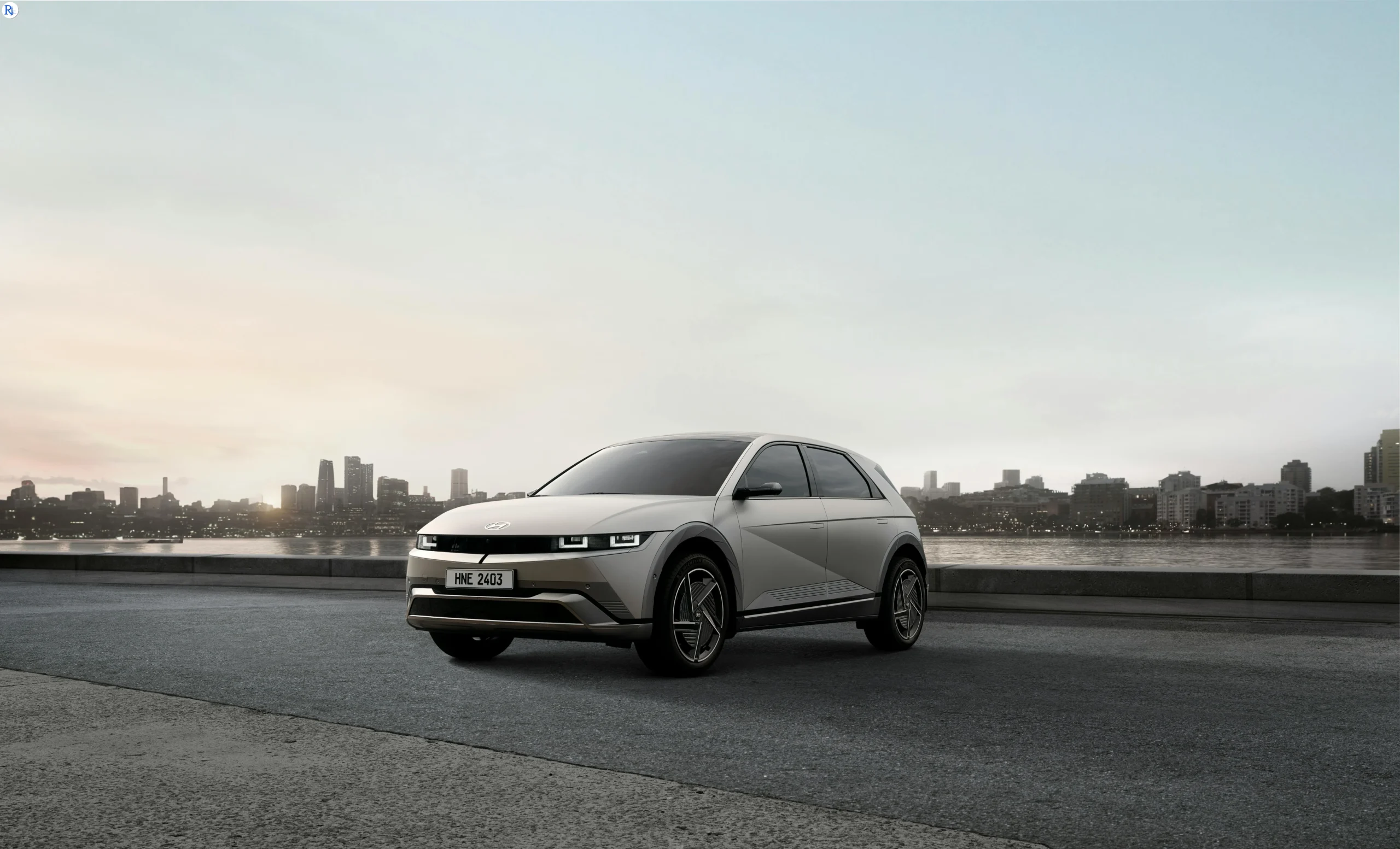
Compact EV steps into the heart of Europe’s market
The Ioniq 3 enters the B- and C-segments, which cover Europe’s small and family-sized cars. In simple terms, B-segment models include superminis, while C-segment cars include family hatchbacks and compact SUVs. These classes make up a significant share of European sales, and they remain competitive as buyers seek lower running costs and practical footprints for city and suburban use.
Hyundai previewed the car with the Concept Three at last year’s Munich motor show. Trade reports indicate the production model will be closely related to the Kia EV4 and use the group’s electric platform known as E-GMP with a 400-volt system. In an electric car, the voltage refers to the electrical architecture that governs how the battery and motor operate. A 400-volt setup is common in mainstream EVs and supports brisk charging speeds when paired with suitable chargers, while helping manage cost and packaging.
Multi-powertrain strategy underpins new model roll-out
Hyundai will add four more electrified models in Europe alongside the Ioniq 3 by mid-2027, with the company emphasising small and mid-sized cars. This includes a heavily updated i30 hatchback that will serve as a petrol hybrid option in the C-segment, as well as the next-generation Tucson SUV and a second-generation Bayon crossover. Hyundai plans these non-EV nameplates as hybrid-only for Europe under its current roadmap.
Martinet said the approach reflects uneven electric vehicle adoption between countries. “Electrification is the word of the day, but which electrification, and at which speed? That’s the big question,” he said. “We don’t control the speed at which the market is going towards EVs and which markets are going towards EVs, so we’re trying to be very strong in everything, which means hybrids and EVs.” The company frames this as a way to hold market share while meeting emissions targets.
Factory flexibility and shared platforms
Hyundai will assemble the Ioniq 3 on a line that also produces the petrol i20. This aligns with a wider push for flexible manufacturing, which lets the company alter build volumes as demand changes. “We have the flexibility to ramp one up and ramp one down, depending on what the market is asking for,” Martinet said. Building a new EV in an existing plant with shared processes reduces retooling time and helps control costs.
Platform sharing also supports speed and scale. Hyundai Motor Group develops components and software across multiple brands and sectors, which Martinet describes as an advantage. He pointed to links with robotics, software, construction and electronics within the wider group, arguing that such integration helps fast decision-making. “Agility is key, because we know there are geopolitical uncertainties and regulation is changing,” he said.
Sales mix, emissions targets and model cadence
Hyundai reports that around 80% of its European models currently offer some form of electrification, which includes mild hybrids, full hybrids, plug-in hybrids and battery-electric vehicles. The brand targets 100% availability of electrified powertrains by 2027. In 2025, the company recorded growth in electrified sales in Europe, with EV volumes up by 48% and hybrid and plug-in hybrid sales up by 11%. EVs accounted for 18% of its European mix. Hyundai says it met its European CO2 targets without pooling with other manufacturers, a mechanism that allows brands to combine fleet emissions to avoid fines.
Total European sales reached 603,542 units, giving Hyundai a 4.5% market share, with the UK contributing just over 93,000 units. In the UK, Hyundai moved from ninth to sixth in the manufacturer rankings. Martinet expects stable European volumes in the near term and a lift in 2027 as new models arrive. The company highlights the upcoming Tucson, i30 and Bayon updates, alongside the Ioniq 3, as the basis for that growth.
Regulatory backdrop and segment dynamics
European CO2 rules set strict fleet-average emissions targets for carmakers. These rules tighten over time and encourage wider use of electrified powertrains. From 2035, the EU plans to require new cars to have zero CO2 emissions at the tailpipe, with a narrow exemption framework for vehicles running on certain synthetic fuels. This policy direction pushes manufacturers to expand EVs and to use hybrids as a transitional step, especially in segments with price-sensitive buyers.
The B- and C-segments remain crucial in this context. Smaller vehicles tend to be lighter and more efficient, which helps lower a brand’s fleet-average emissions. They also serve as entry points for buyers moving from petrol or diesel to hybrid or electric power. By focusing new product on these segments, Hyundai aims to compete where many European customers shop, while keeping options open on powertrain choice.
What this means
For buyers, Hyundai’s plan signals more choice in small and mid-size electrified cars, with an EV option in the Ioniq 3 and hybrid choices in the i30, Bayon and Tucson. The focus on the B- and C-segments fits European needs, where compact models dominate and cost matters. Factory flexibility in Turkey should help Hyundai respond to shifts in demand between petrol hybrids and EVs, which may support availability. For the wider industry, the move underlines how carmakers are balancing EV expansion with hybrids to meet emissions rules and varied customer readiness. As models arrive through 2026 and into 2027, shoppers should see a broader spread of electric vehicles hitting the market.
When and where
Details in this report are based on trade reporting published on 5 February 2026 by Autocar and Auto Express. Hyundai’s Ioniq 3 public reveal is scheduled for April at Milan Design Week in Italy, with production planned to start later in the summer at the company’s Izmit plant in Turkey.