

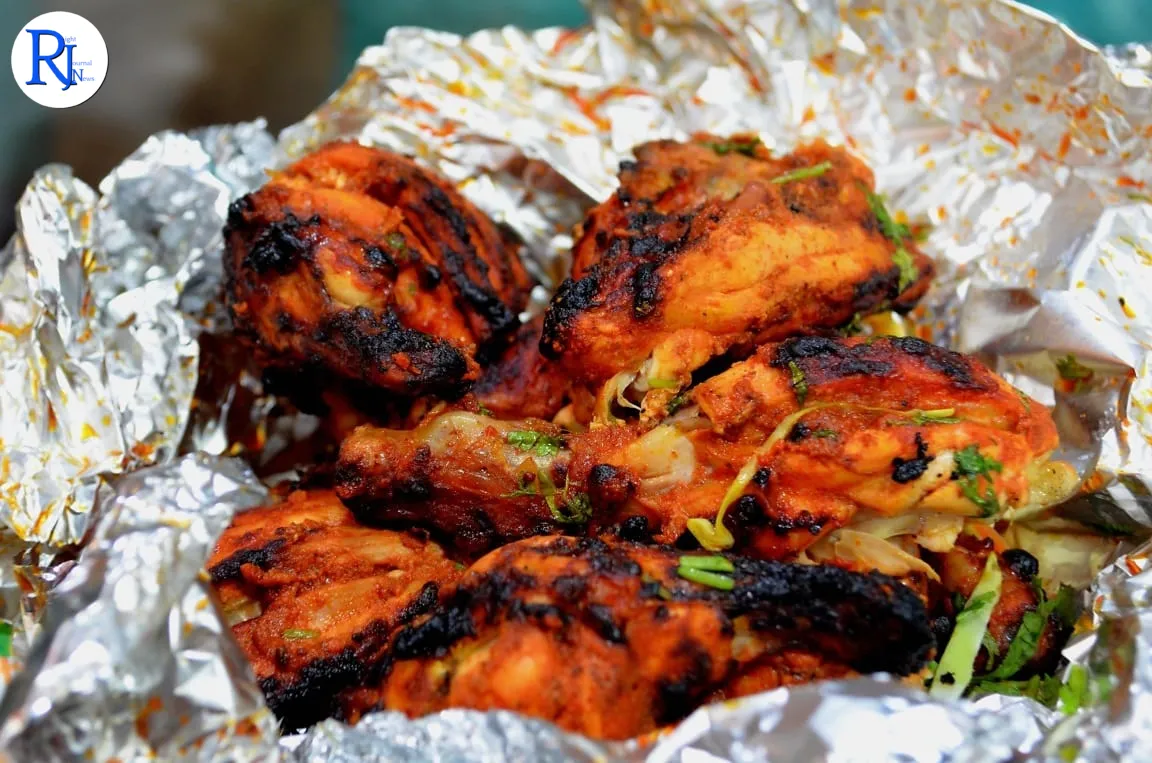
 A Drake-backed Nashville-style fried chicken brand has confirmed ten UK restaurant openings, stepping up a rollout driven by social media buzz and high street demand for quick-service formats. The company has three new restaurants scheduled, with one site opening on 6 February and another later in the month. The expansion signals continued momentum for US-inspired chicken concepts in Britain, where fast-casual operators have focused on urban centres, shopping hubs and delivery-led neighbourhoods. The brand’s growth adds to a crowded field and highlights how celebrity investment and viral marketing now shape footfall, site selection and category competition.
The move underscores wider shifts in UK hospitality as operators diversify formats and location strategies to capture dine-in, takeaway and delivery demand. It also reflects ongoing landlord appetite for food-and-beverage tenants that draw predictable traffic, despite mixed consumer confidence and cost pressures across the sector.
Celebrity-backed brands push into mainstream dining
Celebrity investment has become a lever for brand awareness in food service. In this case, an association with a globally known artist brings immediate recognition to a niche category—Nashville-style hot chicken—and amplifies its reach beyond early adopters. Brand recognition can translate into larger social audiences, higher engagement and stronger opening-week footfall when sites launch.
The strategy aligns with a broader pattern: entertainment and sports figures have backed consumer brands to accelerate reach and create distinct marketing narratives. In fast-casual dining, that can help a newcomer build trust quickly, encourage trial and attract franchise interest. Celebrity alignment does not guarantee growth, but it can compress the time it takes to move from novelty to a repeatable format on high streets and in retail parks.
Social media virality drives demand and discovery
Hot chicken operators have leaned on short-form video, user-generated content and influencer visits to spark awareness. Viral clips of spice challenges, menu hacks and queue scenes often circulate on platforms like TikTok and Instagram, which support rapid discovery and local search behaviours. That dynamic turns opening day into a marketing moment and creates momentum for footfall in the first weeks of trade.
This approach shifts spend from traditional advertising to creator partnerships, organic content and community management. It also puts pressure on operations; when viral demand spikes, sites must handle surges without compromising speed or food quality.
Timing and location
The chain opened one of the three new restaurants on 6 February, with another slated later in February. The ten confirmed openings form part of a UK programme of new sites disclosed this month.