

Ukraine will begin deploying a domestically built replacement for the Chinese-made DJI Mavic drone, the country’s new defence minister has said, as Russian strikes knocked out power to large parts of Kyiv and affected substations critical to nuclear safety. Mykhailo Fedorov announced the homegrown platform will match the Mavic’s imaging capability while flying farther, part of a wider effort to digitise battlefield operations. The pledge came as authorities reported multiple deaths in overnight attacks and widespread outages across the capital and several regions. President Volodymyr Zelenskyy urged stronger US pressure on Moscow and tougher sanctions after strikes that he said included missiles produced this year. Meanwhile, Russian and US-linked envoys met in Davos for discussions on a possible path to end the war, according to participants.
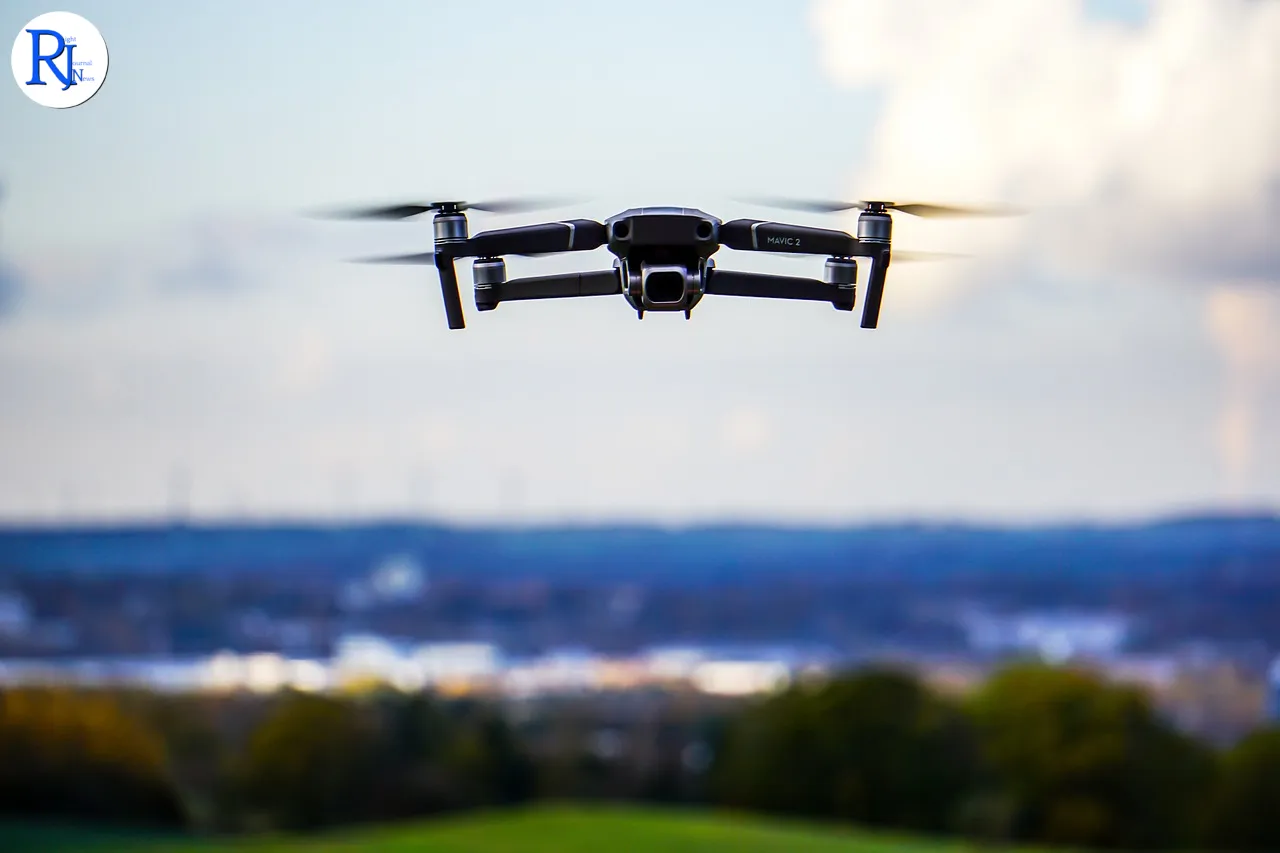
Ukraine plans domestic alternative to DJI Mavic
Defence Minister Mykhailo Fedorov said Ukraine will field a locally produced equivalent to the widely used DJI Mavic drone. “We will have our own Mavic analogue: the same camera, but with a longer flight range,” he said. He did not identify the manufacturer or provide a timeline for widespread deployment. Ukrainian units and volunteer groups have relied on retail-grade Mavics for frontline reconnaissance and targeting. Both Ukraine and Russia use similar platforms to guide fire and map enemy positions.
Fedorov has argued for a data-led approach to procurement and operations. He said the move aims to reduce dependence on Chinese-made systems and components at a time when Beijing maintains close ties with Moscow. Ukrainian industry already produces a range of long-range strike drones and interception systems. The Mavic-class platform remains prized at the platoon and company level for its ease of use, low cost and rapid availability.
Digital overhaul to shape drone and artillery operations
Fedorov outlined a broader digital transformation of the defence ministry and the armed forces. He said his team will focus on “the mathematics of war,” introducing a mission control system for drone flights and integrating data for artillery units to evaluate crew performance and effectiveness. The plan includes using combat statistics and footage to refine tactics and improve resource allocation. He said the overhaul would start with changes to management and spending across the ministry.
The minister also signalled that Ukraine will create a system to allow allies to train military artificial intelligence models on Kyiv’s wartime data. He said the dataset includes millions of hours of drone video and extensive records from frontline operations. Officials expect these tools to support faster targeting cycles, better damage assessment and more transparent merit-based decisions for commanders whose units deliver results.
Russian strikes trigger mass outages and hit nuclear-linked substations
A wave of Russian air attacks cut power to more than a million residents in Kyiv on Tuesday, Zelenskyy said in his evening address. He reported that more than 4,000 apartment blocks had no heating, while authorities worked to restore electricity and district heating. The northern Chernihiv region, which borders Russia, also faced severe disruption. Local officials said 87% of the population there temporarily lacked power.
The International Atomic Energy Agency (IAEA) said several substations that are critical for nuclear safety were affected, and lines to some other nuclear plants came under strain. Ukraine said all off-site power was temporarily lost at the Chornobyl plant, where the destroyed reactor requires constant monitoring. Power lines linked to nuclear facilities play a central role in cooling and safety systems. Foreign Minister Andrii Sybiha said Russian forces had targeted substations despite public statements about the importance of energy infrastructure.
Casualties reported in Zaporizhzhia and Kyiv region
Officials reported at least four deaths from the attacks. Three people died in the south-eastern city of Zaporizhzhia, where drone and missile strikes hit residential areas, according to local authorities. One person was killed in the Kyiv region outside the capital. Emergency services worked through the day to clear debris, restore services and secure damaged sites.
Regions in the east, south and north came under fire during the strikes, which stretched air defences across several fronts. Local administrations issued warnings about possible further disruptions due to damage to high-voltage equipment, substation control systems and feeder lines. Repair teams moved to affected districts as air alarms sounded intermittently during the day.
Kyiv urges more US pressure as sanctions debate intensifies
Zelenskyy appealed for increased US support in his address. “Can America do more? It can, and we really want this, and we believe that the Americans are capable of doing this,” he said. He argued that Moscow had not faced enough pressure to halt the strikes. Zelenskyy also called for tighter sanctions after officials said they had identified missiles produced this year among the weapons used in the attack.
He said he was ready to travel to Davos if Washington prepared to sign documents on security guarantees for Ukraine and a postwar prosperity plan. Kyiv has sought long-term security arrangements with Western partners alongside immediate materiel support. Ukrainian officials also continue to push for measures aimed at limiting Russia’s access to technology and financing used to build or repair missile stocks.
Davos meeting brings envoys for Moscow and Trump into talks
A new round of talks over the weekend between US and Ukrainian officials preceded a meeting in Davos on Tuesday between envoys for Russian President Vladimir Putin and former US President Donald Trump. Russian representative Kiril Dmitriev described the Davos conversation as “very positive” and “constructive”. He claimed “more and more people are realising that Russia’s position is right”. Dmitriev met property developer Steve Witkoff and Trump’s son-in-law Jared Kushner.
No joint statement followed the Davos meeting, and no details emerged about concrete steps. The contacts came as Kyiv called for increased support and as Europe debated more air defence supplies and energy infrastructure assistance for Ukraine. The discussions also took place against a backdrop of rolling strikes that have reduced generation capacity and complicated power distribution throughout the winter.
Nuclear safety raises alarms as grid comes under strain
The IAEA said substations vital to nuclear safety were affected, and it noted disruptions to lines serving several plants. Off-site power is essential to sustain cooling and monitoring systems at nuclear sites, including Chornobyl. Ukraine reported that off-site power at Chornobyl was temporarily lost before workers restored supply. The plant, which houses the remains of the reactor destroyed in 1986, relies on stable electricity to maintain safety systems.
Sybiha accused Russian forces of targeting infrastructure that supports nuclear safety. He said strikes on substations placed the system at risk. Ukrainian engineers have spent months repairing high-voltage equipment following repeated attacks on the power grid. They have installed mobile generation and reinforced substations to reduce the risk of cascading blackouts, but widespread damage can still cause large outages.
What this means
Ukrainian troops are set to receive a domestically produced reconnaissance drone intended to replace the DJI Mavic in frontline use. Units that rely on volunteer-supplied Mavics may see gradual changes as the new platform rolls out. The defence ministry plans to integrate drone and artillery data into a common system, which could shorten decision times, track unit performance and guide logistics. Allies may gain access to anonymised wartime datasets to train AI models designed for targeting support and assessment.
The latest strikes imposed immediate civilian costs. Kyiv experienced large-scale power cuts, with heating interruptions across thousands of buildings. Repairs began as grid operators worked to stabilise supply and reconnect districts. The IAEA’s statement underscored the importance of maintaining power to nuclear-linked infrastructure. The reported deaths in Zaporizhzhia and the Kyiv region add to the toll from recent attacks.
The Davos meeting brought envoys for Moscow and Trump into contact after talks between US and Ukrainian officials at the weekend. No outcomes were announced, while Zelenskyy called for more US pressure and sanctions. Officials in Ukraine focused on rapid repairs, air defence readiness and the rollout of new tools to manage drone and artillery operations.
When and where
The announcements on the drone programme and digital overhaul were made on Tuesday in Kyiv by Defence Minister Mykhailo Fedorov. Power and casualty updates came from President Volodymyr Zelenskyy and regional authorities the same day. The IAEA provided its assessment regarding nuclear-safety-related substations on Tuesday. The meeting involving Kiril Dmitriev, Steve Witkoff and Jared Kushner took place in Davos, Switzerland, on Tuesday. Source: The Guardian, 21 January 2026.