

President Donald Trump used a visit to Detroit to signal a tougher stance on immigration enforcement, including the possible revocation of citizenship for naturalised immigrants convicted of fraud. During remarks that also touched on Iran and manufacturing policy, the president said he would support what he called “Iranian Patriots” while presenting economic messaging aimed at affordability and industrial competitiveness.
The comments were reported during political coverage by the Guardian, which tracked Trump’s appearance in Michigan, including a planned tour of a Ford facility in Dearborn and a speech to the Detroit Economic Club. Aides had promoted the event as part of an affordability tour focused on manufacturing and household costs.
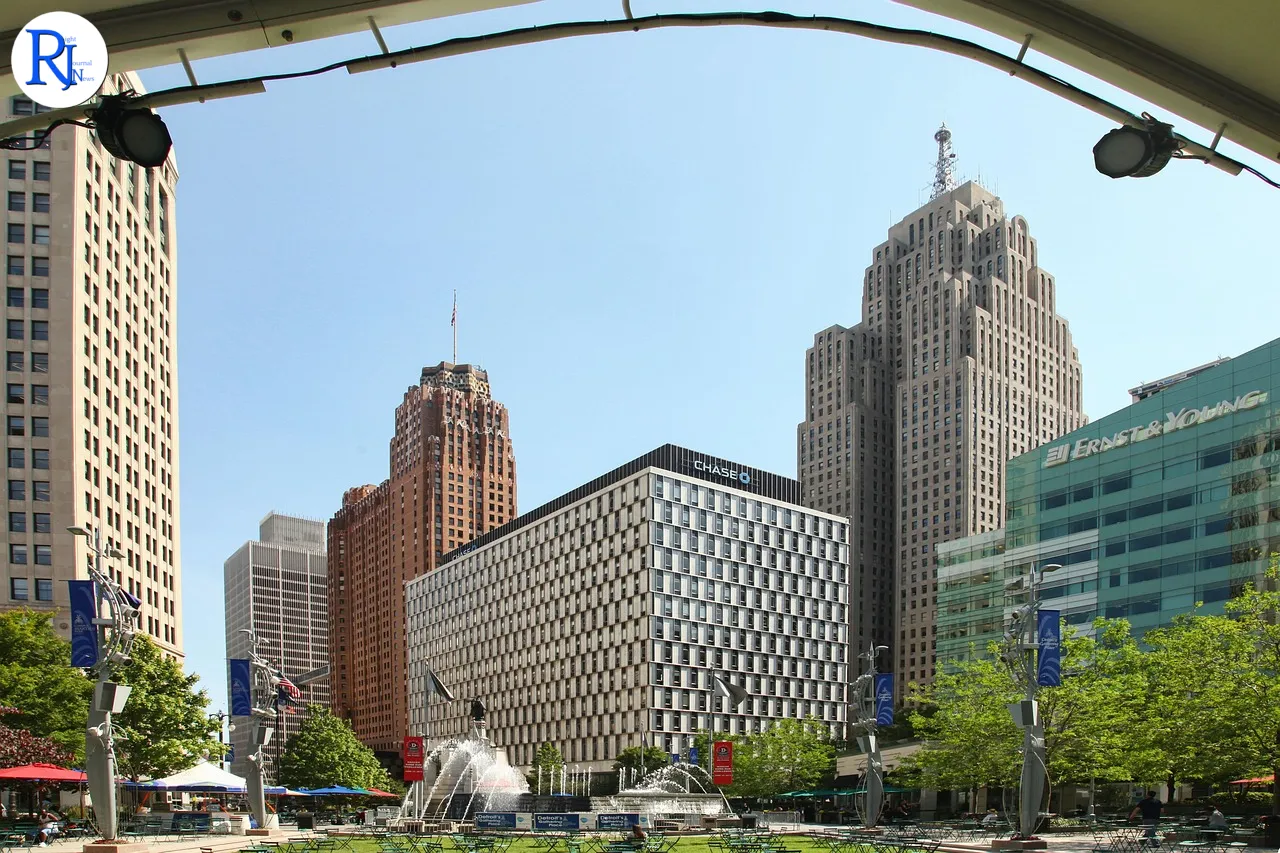
Citizenship remarks put immigration enforcement in the spotlight
Trump’s remarks placed immigration enforcement back in the spotlight, with the president signalling that his administration would pursue denaturalisation in cases involving fraud. While he did not outline a timetable or specific policy mechanisms, the comments suggested a continued focus on tightening enforcement against wrongdoing within the immigration system.
Under United States law, naturalised citizenship can be revoked through court proceedings when authorities prove that it was obtained through fraud or material misrepresentation. The process typically requires legal action and judicial oversight. The remarks were reported as part of a speech that had been billed as focused on the cost of living, underscoring how immigration enforcement remained a central theme alongside economic messaging.
Detroit event marked an economic message centred on manufacturing
Trump’s visit to Michigan was framed around affordability and manufacturing, with a tour of a Ford plant in Dearborn and remarks delivered to the Detroit Economic Club. The appearance placed economic messaging in a region closely associated with vehicle production and industrial supply chains.
Detroit has long served as a focal point for national debates on jobs, trade, and industrial policy. By choosing the city as the setting, the administration sought to link cost of living concerns with manufacturing competitiveness, positioning industrial strength as part of a broader affordability narrative. No detailed proposals were outlined during the visit.
Iran remarks added foreign policy weight to the event
Alongside domestic themes, Trump referred to supporting what he called “Iranian Patriots”, language that drew attention to foreign policy and ongoing tensions with Tehran. No specific actions or timelines were set out during the remarks.
Such phrasing is often used to signal a hard line or express support for opposition elements without announcing immediate policy changes. The comments added a national security dimension to an event otherwise promoted as focused on economic issues.
Economic messaging competed with security and enforcement themes
Although aides had promoted the appearance as part of an affordability tour, immigration enforcement and foreign policy dominated much of the attention following the event. The remarks linked economic priorities with broader themes of law, order, and national security.
Public appearances that combine domestic and international issues are often used to project an image of comprehensive leadership. In Detroit, the administration appeared to emphasise that economic stewardship, enforcement credibility, and foreign policy posture were interconnected elements of its approach.
<
Legal context shaped reactions to citizenship remarks
Under United States law, naturalised citizenship can be revoked through court proceedings when authorities prove it was obtained through fraud or material misrepresentation. The process requires legal action and judicial oversight.
While the president did not outline changes to existing procedures or enforcement resources, the remarks reinforced immigration enforcement as a recurring theme, even during events billed primarily as economic in focus. Questions remained about how existing legal standards might be applied in practice.
<
Detroit setting underscored policy audience and symbolism
The Detroit Economic Club has traditionally served as a venue for major policy addresses aimed at business leaders and civic figures. The accompanying tour of a Ford facility reinforced the symbolic link to auto manufacturing, a sector central to debates over domestic investment and supply chains.
No new economic pledges were announced during the visit. Instead, the setting provided a backdrop for reiterating priorities on affordability, enforcement, and foreign policy, with Detroit’s industrial identity lending weight to the administration’s broader messaging.
When and where
The events took place in Detroit, Michigan, on Tuesday, with a speech at the Detroit Economic Club and a tour of a Ford facility in Dearborn. The coverage was published on 14 January 2026.
What this means
The Detroit appearance showed how economic messaging is increasingly delivered alongside immigration enforcement and national security themes. Even during events promoted as focused on affordability and manufacturing, the administration continued to place enforcement and foreign policy at the centre of its public narrative.